Hawaii
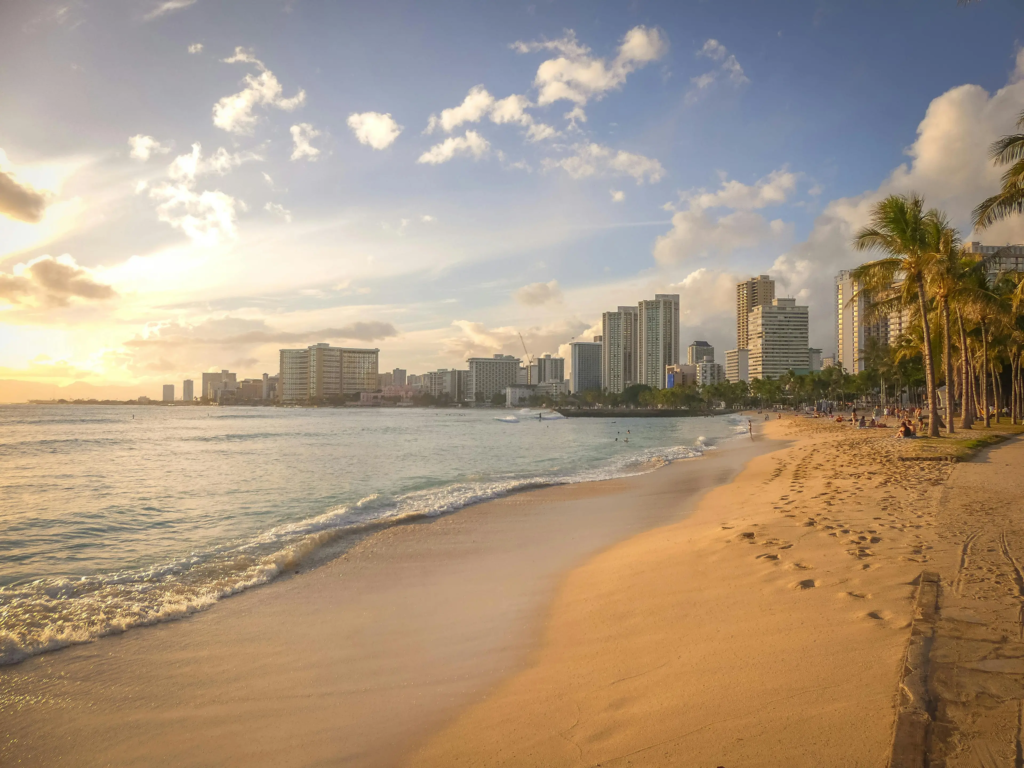
Hawaii feels different the moment you land. The air is warmer, the pace softens, and every island carries its own personality. Oahu balances surf culture with city energy, Maui blends luxury with dramatic coastal drives, Kauai leans wild and untouched, while the Big Island delivers volcanic landscapes unlike anywhere else in the United States. Across the islands, waterfalls tumble through emerald valleys, waves crash against black lava rock, and sunsets stretch endlessly across the Pacific.
What makes Hawaii unforgettable is not just the scenery, but the rhythm of life woven into it. Ancient Polynesian traditions, local hospitality, and deep respect for the land shape every experience, whether you’re hiking volcanic craters, snorkeling alongside sea turtles, or eating fresh poke beside the ocean. Hawaii is both relaxing and adventurous, familiar yet completely distinct from the mainland.
Need to Know
Currency
Hawaii uses the United States Dollar (USD). Credit cards are widely accepted across the islands, though carrying some cash is useful for local food trucks, small shops, and markets. Tipping is customary in restaurants, hotels, and for tour guides.
Language
English is the primary language, though Hawaiian words and phrases are deeply integrated into local culture and daily life.
Key Phrases
- Aloha — hello, goodbye, love
- Mahalo — thank you
- Ohana — family
- E komo mai — welcome
- Pau — finished/done
Airports
Daniel K. Inouye International Airport (HNL) on Oahu is Hawaii’s main international gateway. Major airports also serve Maui (OGG), Kauai (LIH), and the Big Island (KOA and ITO).
Transportation
Rental cars are strongly recommended on most islands, especially Maui, Kauai, and the Big Island. Oahu offers rideshares, buses, and walkable areas around Waikiki and Honolulu.
Best Time to Visit
Hawaii is a year-round destination, though April to October brings warmer, drier weather. Winter months offer excellent whale watching and larger surf conditions on the North Shore.
Ideal Length of Stay
Seven to ten days allows enough time to explore one or two islands comfortably without rushing between experiences.
Hawaiian Food and Drink
Hawaii’s food scene reflects Polynesian roots blended with Japanese, Filipino, Korean, Portuguese, and American influences.
Signature Dishes
Poke: Cubed raw fish seasoned with soy sauce, sesame oil, seaweed, and local flavors.
Kalua Pig: Slow-roasted pork traditionally cooked underground until smoky and tender.
Loco Moco: Rice topped with hamburger patties, gravy, and fried eggs.
Spam Musubi: A popular island snack combining grilled Spam, rice, and seaweed.
Garlic Shrimp: Famous especially on Oahu’s North Shore food truck scene.
Shave Ice: Finely shaved ice topped with tropical syrups and condensed milk.
Drinks
Fresh pineapple juice, passion fruit cocktails, Kona coffee, and tropical rum drinks are staples across the islands.
Oahu
Oahu combines beaches, nightlife, surfing, and Hawaiian history into one dynamic island. Honolulu brings city energy, while the North Shore feels laid-back and deeply tied to surf culture.
What to Do in Oahu
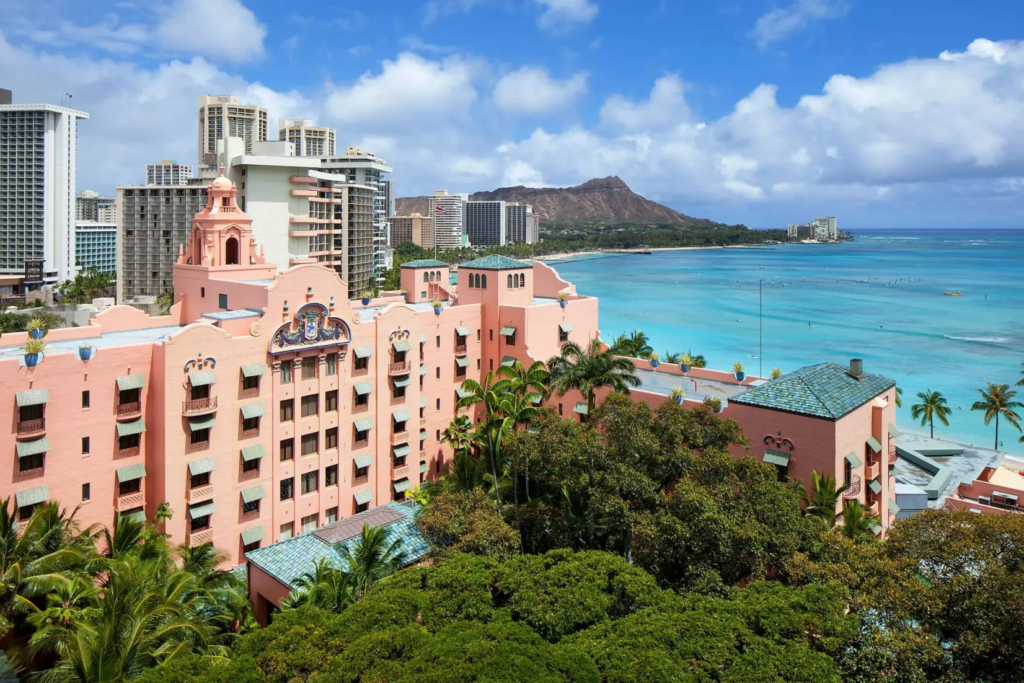
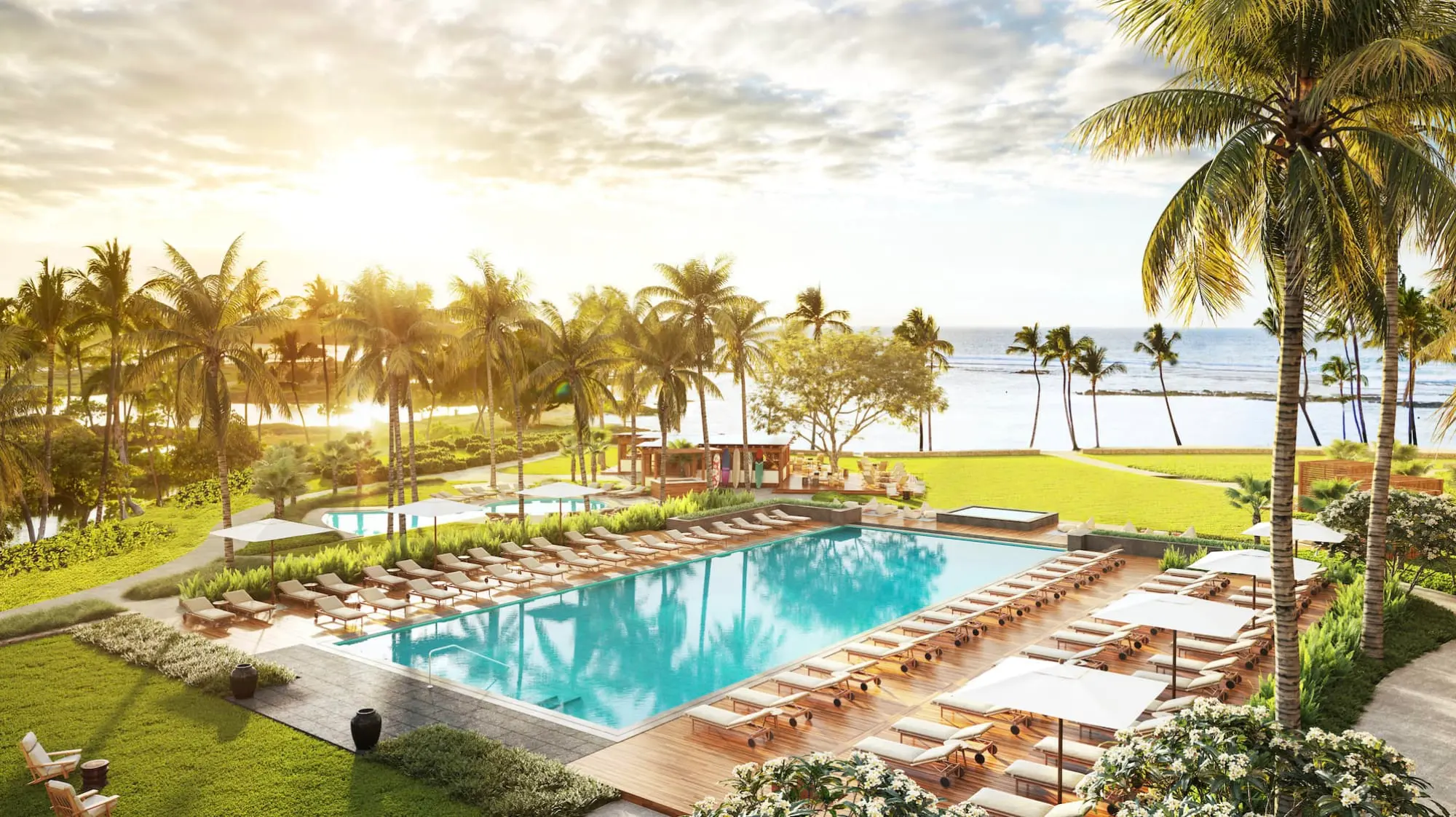
Image courtesy of The Royal Hawaiian, A Luxury Collection Resort, Waikiki
Waikiki Beach
One of Hawaii’s most iconic beaches, known for surfing lessons, luxury resorts, and golden sunsets.
Pearl Harbor
A deeply moving historic site offering insight into World War II history.
Diamond Head
A scenic crater hike with panoramic views over Honolulu and the Pacific Ocean.
North Shore
Legendary surf beaches, shrimp trucks, and relaxed coastal towns define this side of Oahu.
Hanauma Bay
Protected marine waters perfect for snorkeling among tropical fish and coral reefs.
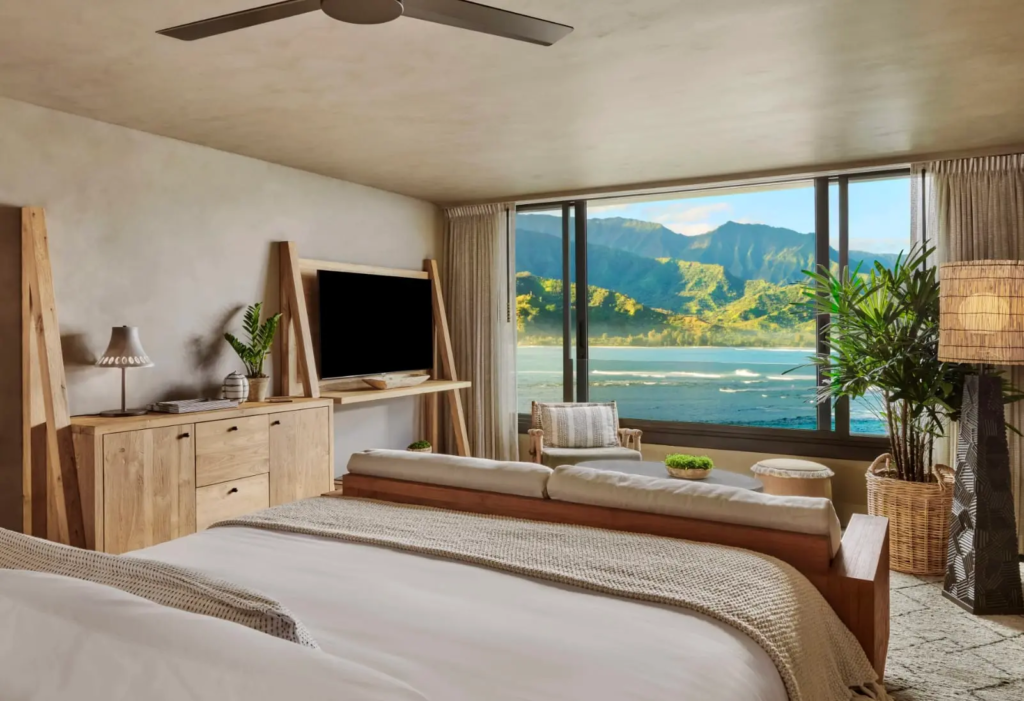
Image courtesy of 1 Hotel Hanalei Bay
Maui
Maui feels cinematic. Waterfalls spill through bamboo forests, volcanic craters rise above the clouds, and winding coastal roads reveal hidden beaches around every turn. The island balances polished luxury with untamed natural beauty, making it one of Hawaii’s most rewarding destinations for travelers who want both relaxation and exploration.
Unlike the fast pace of Oahu, Maui unfolds more slowly. Mornings begin with coffee beside the ocean, afternoons drift between beaches and scenic drives, and evenings end beneath fiery sunsets and swaying palm trees. It’s an island designed for lingering.
What to Do in Maui
Road to Hana
The Road to Hana remains one of Hawaii’s most iconic drives, weaving through rainforest cliffs, waterfalls, black sand beaches, and tiny coastal villages. The journey matters more than the destination, with hidden swimming spots, fruit stands, and panoramic ocean views around nearly every curve.
Haleakala National Park
Watching sunrise from Haleakala volcano feels almost unreal. Standing above the clouds at over 10,000 feet, travelers watch shifting light spill across volcanic craters and distant peaks. The park also offers hiking trails through surreal lava landscapes unlike anywhere else in Hawaii.
Wailea
Wailea brings together luxury resorts, calm beaches, golf courses, and oceanfront dining. The atmosphere feels polished but relaxed, ideal for honeymooners, families, and travelers seeking a quieter side of Maui.
Kaanapali Beach
One of Maui’s most famous stretches of sand, Kaanapali blends beachfront resorts with snorkeling, cliff diving ceremonies, and golden sunsets.
Whale Watching
From December through April, humpback whales migrate through Maui’s warm waters. Boat tours often encounter whales breaching dramatically against the backdrop of neighboring islands.
Upcountry Maui
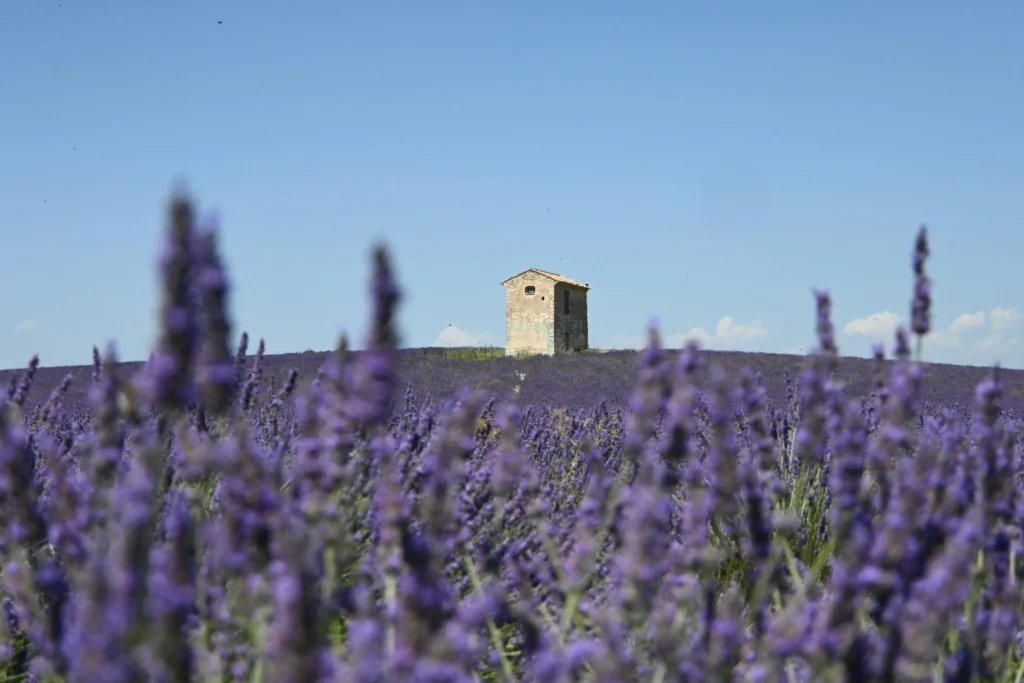
Beyond the beaches, Maui’s higher elevations reveal rolling farms, lavender fields, ranches, and small towns that feel worlds away from the coastline. The cooler climate and mountain scenery add another layer to the island.
Kauai
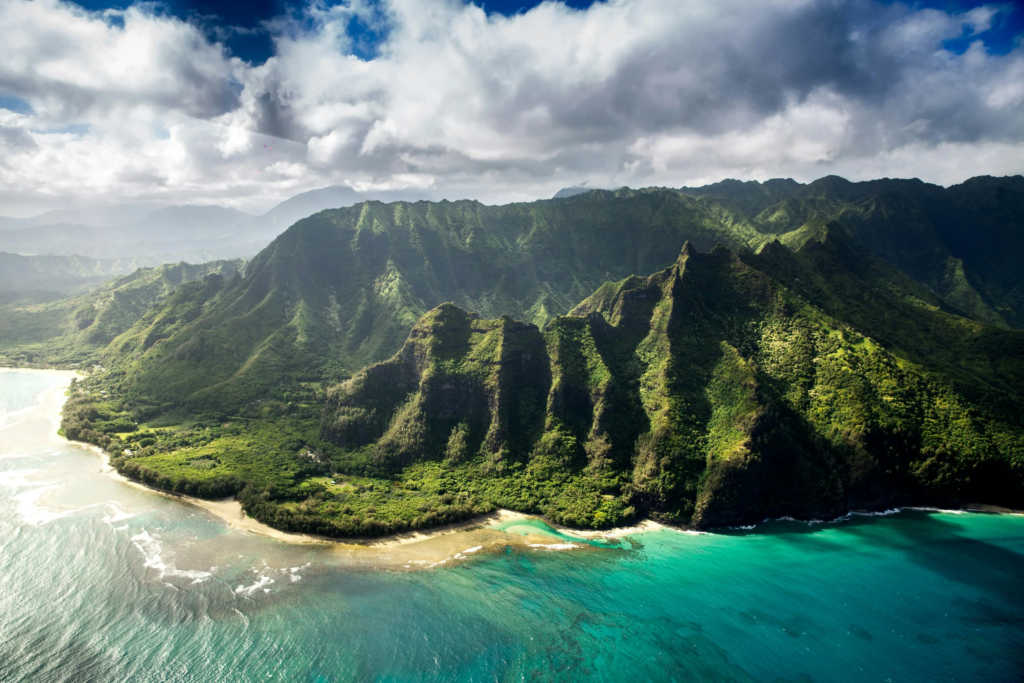
Known as the Garden Isle, Kauai is lush, dramatic, and beautifully untamed. Towering cliffs, hidden waterfalls, and emerald valleys make it feel almost prehistoric.
The Big Island
The Big Island feels powerful and elemental. Active volcanoes shape the land in real time, while black sand beaches, lava fields, rainforests, and snowy peaks coexist on the same island.
Hawaiian Culture and Traditions
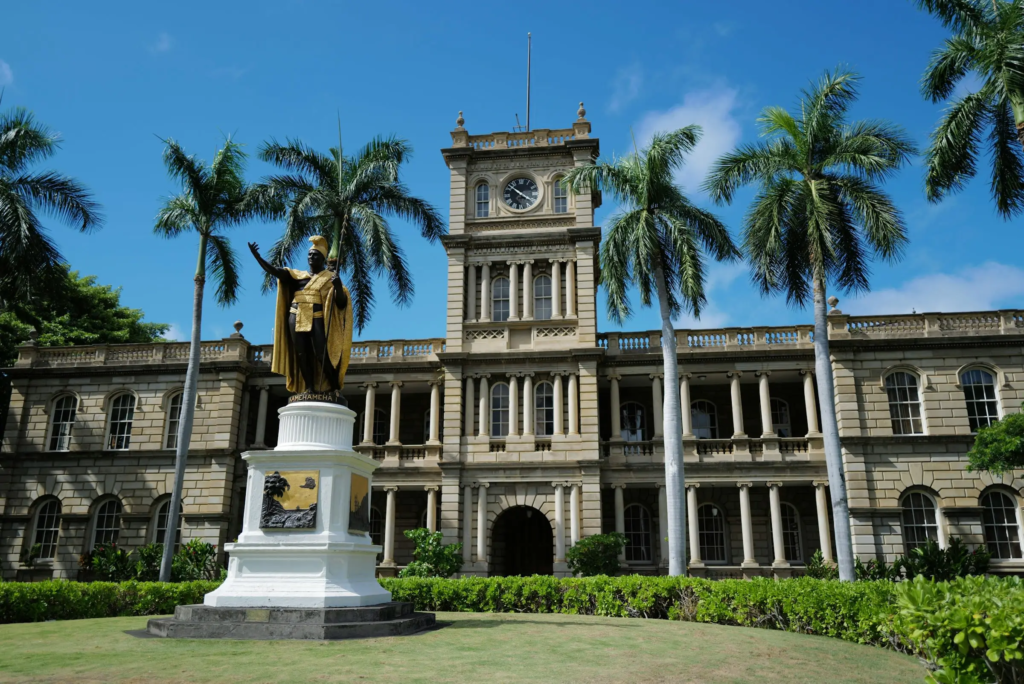
Hawaiian culture is deeply connected to nature, ancestry, music, and storytelling. Hula is more than performance, it preserves history and spiritual meaning through movement and chant. Luaus celebrate food, dance, and island traditions, while respect for the land remains central to Hawaiian identity.
Visitors are encouraged to approach Hawaii thoughtfully by respecting wildlife, sacred sites, and local customs. The islands are not just beautiful landscapes, but living cultural spaces with deep historical significance.
Travel Tips for Hawaii
- Use reef-safe sunscreen to help protect marine ecosystems.
- Ocean conditions can change quickly, so follow local safety warnings.
- Reservations may be required for popular parks and attractions.
- Island hopping is easy, but slower travel creates a more immersive experience.
- Respect local communities and natural spaces during your visit.
If Not Hawaii…
Fiji
Tropical islands with coral reefs, luxury resorts, and relaxed South Pacific culture.
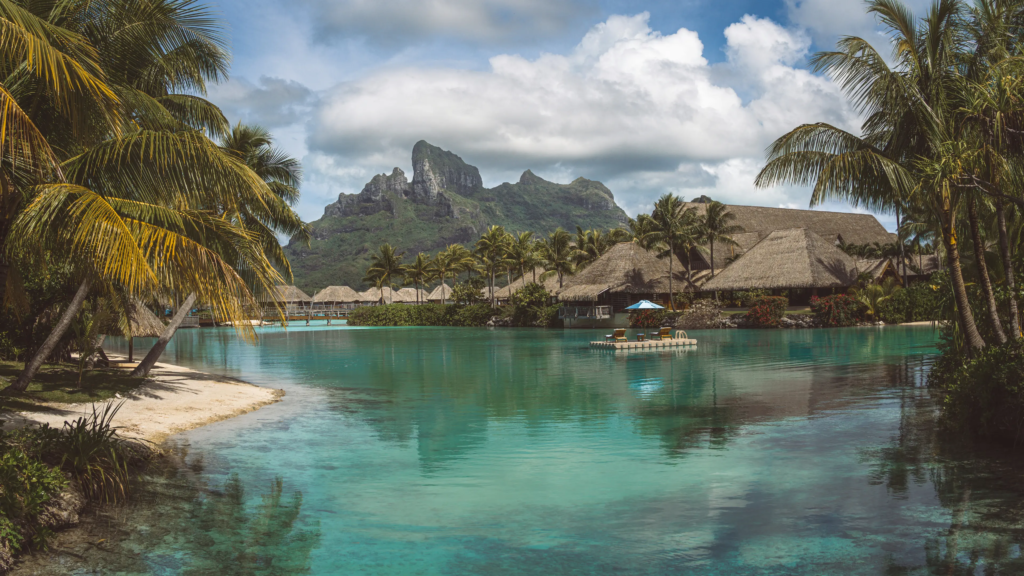
Bora Bora
Known for turquoise lagoons and iconic overwater villas.
Costa Rica
Rainforests, volcanoes, beaches, and eco-adventure experiences.
Maldives
Ultra-luxury island escapes surrounded by crystal-clear Indian Ocean waters.