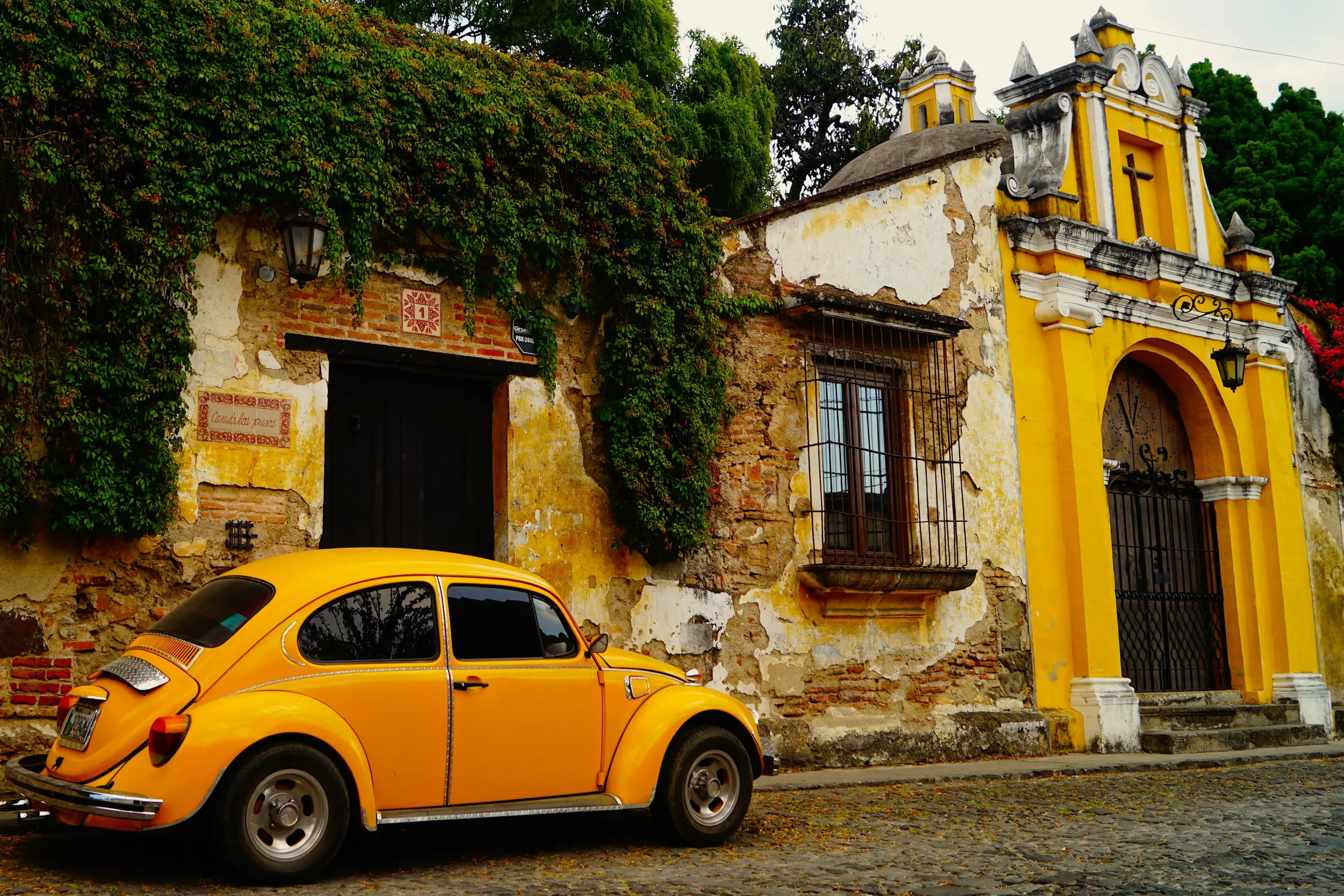
Peru
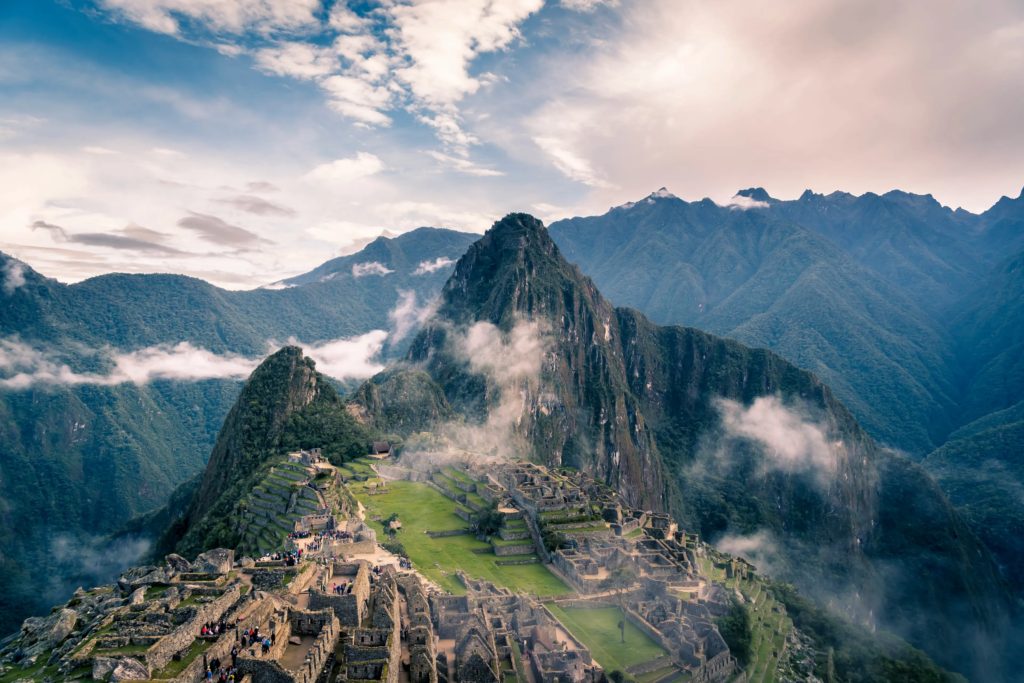
Peru is a country that feels layered in every sense geographically, culturally, and historically. This Peru travel guide explores a destination where ancient Inca ruins sit high above cloud forests, colonial cities blend with Indigenous traditions, and dramatic landscapes stretch from the Andes Mountains to the Pacific coast and deep into the Amazon rainforest.
From the vibrant streets of Lima to the Sacred Valley and the iconic wonder of Machu Picchu, Peru delivers experiences that feel adventurous, immersive, and unforgettable. Whether you’re visiting for food, history, trekking, or culture, this destination debrief for Peru will help you plan a seamless and rewarding journey.
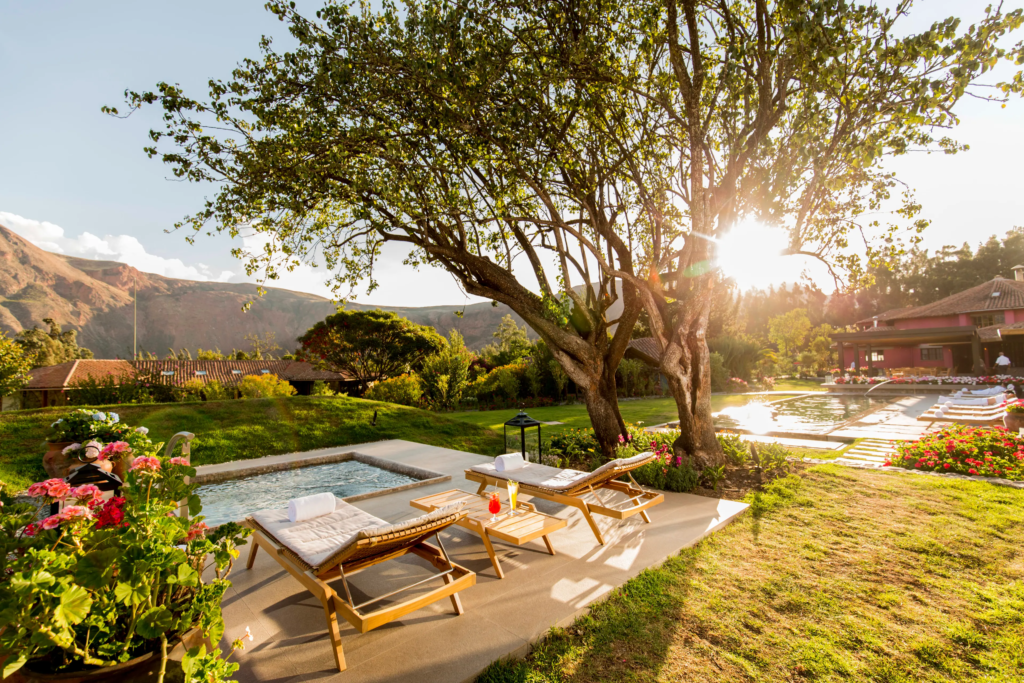
Image courtesy of Sol y Luna
Peru Travel Guide: Need to Know Before You Go
Planning ahead makes traveling through Peru significantly easier, especially because the country’s geography varies so dramatically between regions.
Currency
Peru uses the Peruvian Sol (PEN). Credit cards are widely accepted in cities and tourist hubs; however, carrying cash is essential for local markets, taxis, and smaller towns.
Language
Spanish is the official language, while Quechua and Aymara are also widely spoken in Indigenous communities. English is common in hotels, restaurants, and tourist areas.
Useful phrases
- Hola — Hello
- Gracias — Thank you
- Por favor — Please
- ¿Cuánto cuesta? — How much does it cost?
- ¿Habla inglés? — Do you speak English?
Transportation
Domestic flights are the fastest way to cover long distances. Meanwhile, buses are comfortable and affordable for regional travel. In cities like Lima and Cusco, rideshare apps and taxis are widely available.

Image courtesy of Country Club Lima Hotel
Best time to visit Peru
- May to September: Dry season, ideal for trekking and Machu Picchu
- October to April: Rainy season, greener landscapes with fewer crowds
- June to August: Peak tourism months
Ideal length of stay
A trip of 10 to 14 days allows travelers to explore Lima, Cusco, Machu Picchu, the Sacred Valley, and one additional region comfortably.
Top Destinations in This Peru Travel Guide
Lima
Peru’s capital combines ocean views, colonial architecture, and one of the world’s best culinary scenes. Neighborhoods like Miraflores and Barranco are filled with cafés, galleries, and coastal walkways.
Cusco
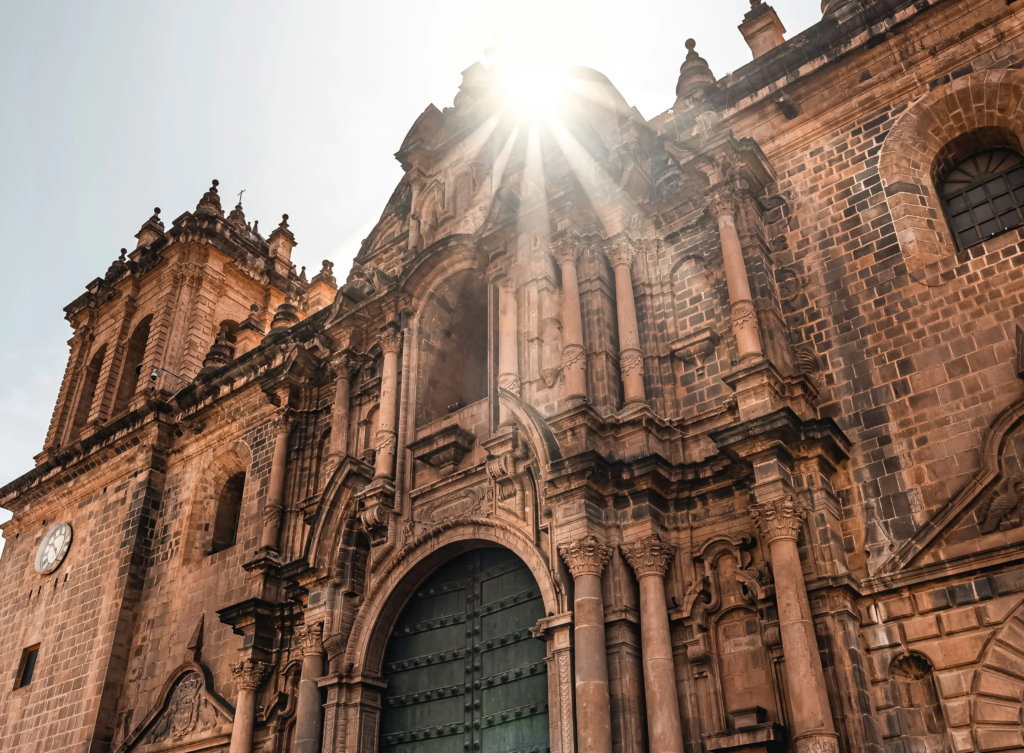
Once the capital of the Inca Empire, Cusco blends cobblestone streets, historic churches, and ancient stonework with modern restaurants and boutique hotels.
Machu Picchu
One of the world’s most iconic archaeological sites, Machu Picchu sits dramatically above the Sacred Valley surrounded by mist-covered peaks.
Sacred Valley
The Sacred Valley is home to traditional villages, Inca terraces, colorful markets, and scenic mountain landscapes.
Arequipa
Known as the “White City,” Arequipa is famous for volcanic scenery, colonial buildings, and excellent local cuisine.
Amazon Rainforest
Peru’s Amazon region offers river cruises, jungle lodges, and opportunities to see wildlife including macaws, monkeys, and pink river dolphins.

Image courtesy of Inkaterra Hacienda Urubamba
Where to Stay in Peru
Peru offers a mix of luxury hotels, boutique properties, eco-lodges, and mountain retreats.
Best areas to stay
- Miraflores (Lima): Best for first-time visitors and nightlife
- Cusco Historic Center: Convenient for sightseeing
- Sacred Valley: Peaceful and scenic with luxury resorts
- Aguas Calientes: Closest town to Machu Picchu
Many travelers combine luxury city hotels with nature-focused stays in the Sacred Valley or Amazon for a balanced itinerary.
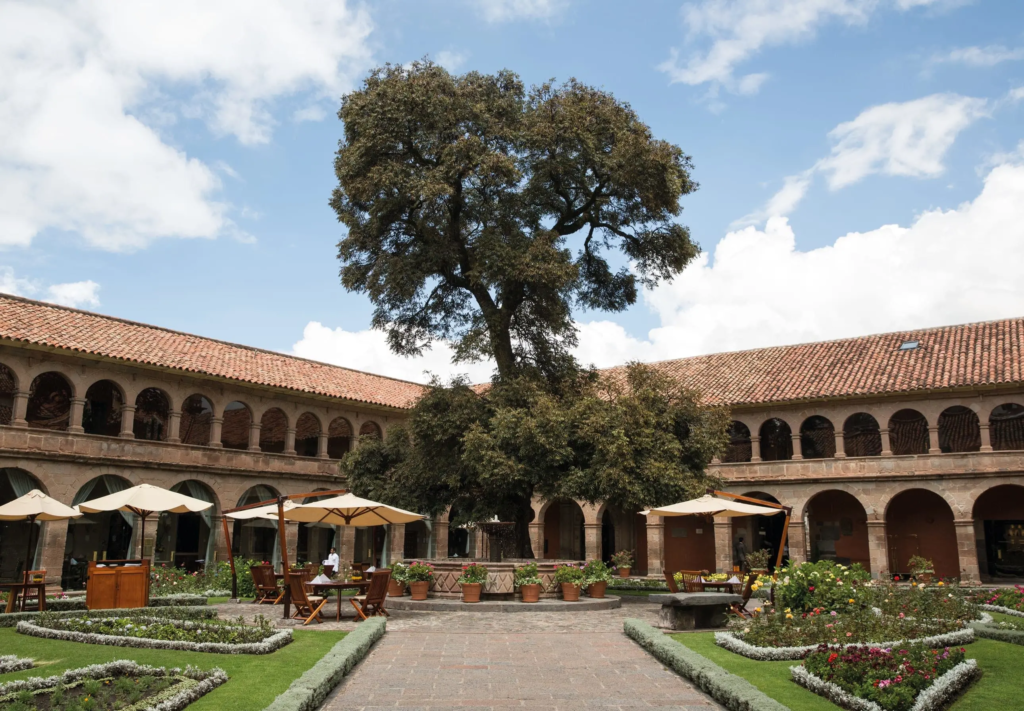
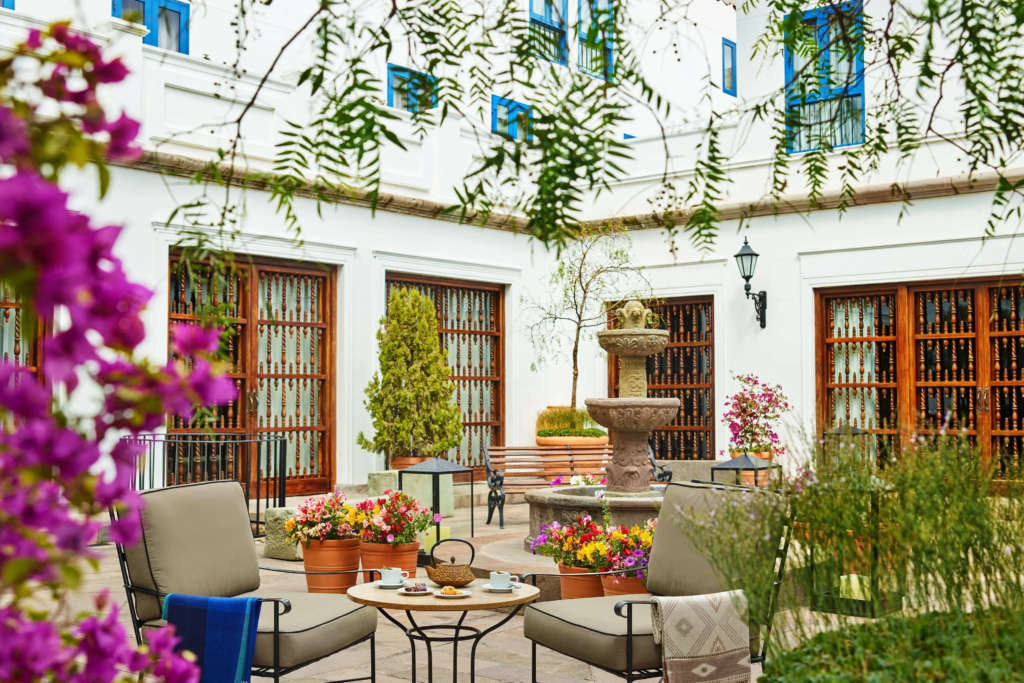
Image courtesy of Monasterio, A Belmond Hotel, Cusco
Things to Do in Peru
Peru is one of South America’s most rewarding destinations for culture, adventure, and food.
Visit Machu Picchu
The highlight of most trips, Machu Picchu combines history, mystery, and breathtaking mountain scenery.
Explore Cusco
Wander through historic plazas, local markets, and Inca ruins throughout the city.
Walk Through the Sacred Valley
Traditional weaving villages, agricultural terraces, and mountain landscapes define the Sacred Valley experience.
Try Peruvian Cuisine
Peru is internationally recognized for its food scene. In addition, Lima has several world-renowned restaurants.
Signature dishes
- Ceviche
- Lomo Saltado
- Aji de Gallina
- Anticuchos
- Alpaca steak
Take the Train Through the Andes
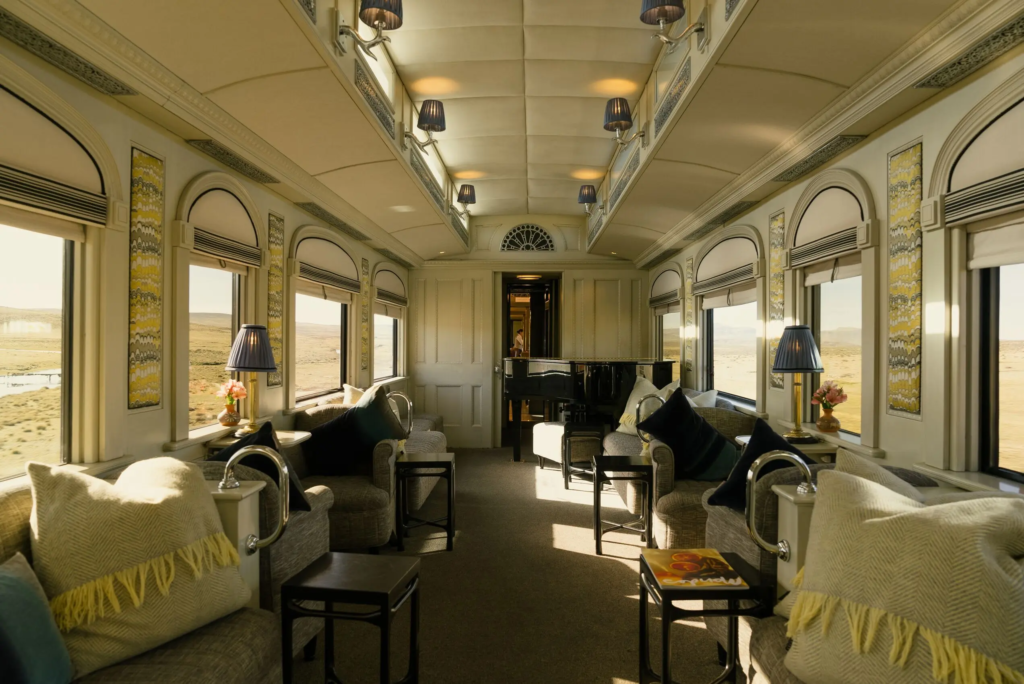
Scenic rail journeys between Cusco and Machu Picchu reveal dramatic mountain landscapes and remote villages.
Visit Rainbow Mountain
Vinicunca, also known as Rainbow Mountain, is famous for its colorful mineral-striped slopes and high-altitude trekking routes.
Explore Lake Titicaca
The world’s highest navigable lake features floating reed islands and Indigenous communities preserving centuries-old traditions.
Peru History and Culture
Peru’s history stretches back thousands of years, shaped by ancient civilizations including the Moche, Nazca, and Inca. The Inca Empire became the largest civilization in pre-Columbian America before Spanish colonization in the 16th century transformed the country’s architecture, religion, and political structure.
Today, Peru’s culture remains deeply connected to Indigenous traditions. Markets, festivals, textiles, and local cuisine continue to reflect a strong sense of identity and heritage. Meanwhile, cities like Lima and Cusco balance modern energy with historical preservation.
What to Eat in Peru
Peru is considered one of the best culinary destinations in the world.
Must-try foods
- Ceviche: Fresh fish cured in citrus juice
- Lomo Saltado: Stir-fried beef with fries and rice
- Causa: Layered potato dish with seafood or chicken
- Rocoto Relleno: Stuffed spicy pepper from Arequipa
- Pisco Sour: Peru’s signature cocktail
In addition, Peru’s coffee and chocolate industries continue to gain international recognition.
Day Trips in Peru
Moray and Maras Salt Mines
Located in the Sacred Valley, these sites combine fascinating Inca agricultural history with dramatic scenery.
Huacachina
A desert oasis surrounded by giant sand dunes, popular for sandboarding and dune buggy rides.
Colca Canyon
One of the deepest canyons in the world and home to soaring Andean condors.
Ballestas Islands
Often called the “Poor Man’s Galápagos,” these islands are known for sea lions, penguins, and marine wildlife.
Travel Tips for Peru
- Altitude sickness can affect travelers in Cusco and high-altitude regions
- Stay hydrated and acclimate gradually
- Pack layers because temperatures vary dramatically
- Book Machu Picchu tickets well in advance
- Use sunscreen, especially in mountain regions
If Not Peru…
If you love Peru’s combination of history, landscapes, and culture, consider these destinations:
Bolivia
Salt flats, high-altitude cities, and Indigenous culture create an adventurous experience similar to Peru.
Ecuador
A smaller but equally diverse destination featuring the Andes, Amazon rainforest, and the Galápagos Islands.
Chile
Known for Patagonia, the Atacama Desert, and dramatic natural scenery.
Guatemala
Ancient ruins, volcanoes, and colorful markets make Guatemala rich in culture and history.
Conclusion: Why Visit Peru
Peru is a destination that rewards curiosity and adventure. Whether you’re standing above Machu Picchu, tasting ceviche in Lima, or exploring the Sacred Valley, every experience feels connected to centuries of history and culture.
This Peru travel guide gives you everything you need to plan an unforgettable journey through one of South America’s most fascinating destinations.
Plan Your Peru Trip
Planning your trip to Peru? Let travel experts help you design a personalized itinerary with exclusive experiences, luxury stays, and insider recommendations for a seamless adventure.