Tuscany
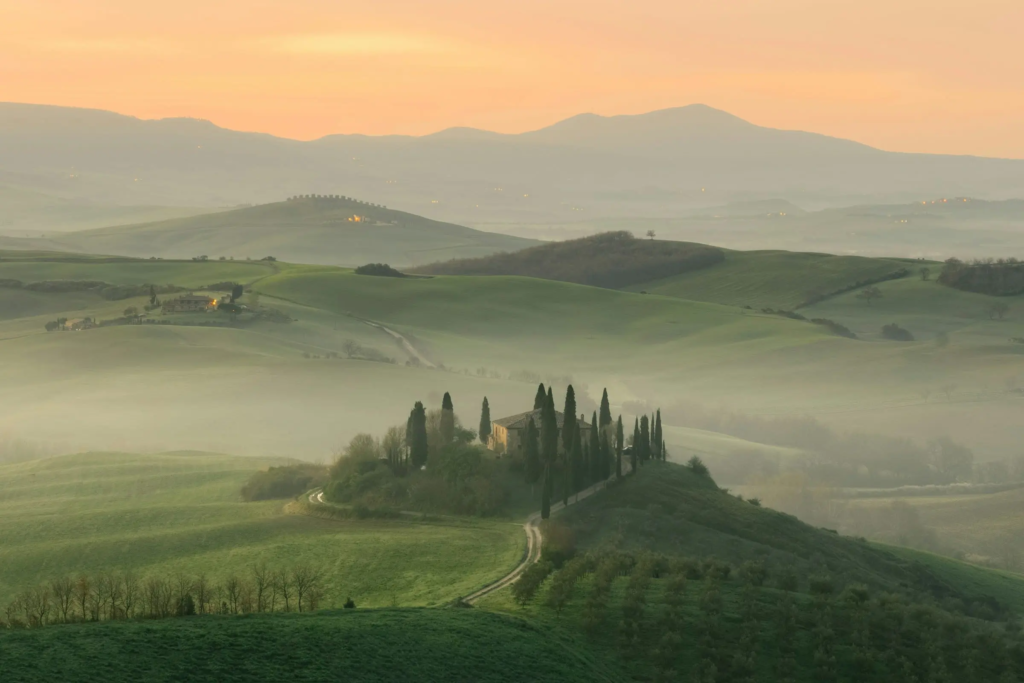
Tuscany is the kind of destination that feels cinematic from the moment you arrive. This Tuscany travel guide explores a region where rolling vineyards stretch across golden hills, medieval towns rise above cypress-lined roads, and long lunches unfold beneath the warm Italian sun. From Florence’s Renaissance masterpieces to the vineyards of Chianti and the coastal beauty of the Tuscan countryside, Tuscany blends history, food, wine, and slow living into one unforgettable experience.
Whether you’re exploring ancient hill towns, sipping Brunello in Montalcino, or wandering through Florence’s cobblestone streets, Tuscany rewards travelers who slow down and savor every detail. This destination debrief for Tuscany will help you plan a seamless and deeply immersive Italian escape.
Tuscany Travel Guide: Need to Know Before You Go
Planning ahead is essential for Tuscany, especially if you want to combine cities, countryside stays, and wine regions efficiently.
Currency
Italy uses the Euro (€). Credit cards are widely accepted throughout Tuscany; however, carrying small cash is useful for local cafés, markets, and smaller villages.
Language
Italian is the official language. English is commonly spoken in tourist areas, luxury hotels, and major cities like Florence.
Useful phrases
- Ciao — Hello
- Grazie — Thank you
- Per favore — Please
- Quanto costa? — How much does it cost?
- Parla inglese? — Do you speak English?
Transportation
Renting a car is the best way to explore Tuscany’s countryside and smaller villages. Meanwhile, trains connect Florence, Pisa, Siena, and Lucca efficiently.
Best time to visit Tuscany
- April to June: Pleasant weather and blooming countryside
- September to October: Harvest season with wine festivals and golden landscapes
- July and August: Hot and busy, especially in major tourist areas
- November to March: Quieter and more affordable with cooler temperatures
Ideal length of stay
Seven to 10 days allows travelers to balance Florence, wine regions, hill towns, and countryside stays comfortably.
Top Destinations in This Tuscany Travel Guide
Florence
Florence is the cultural heart of Tuscany and one of Europe’s greatest art cities. Renaissance architecture, world-famous museums, and lively piazzas create an atmosphere that feels both historic and vibrant.
Siena
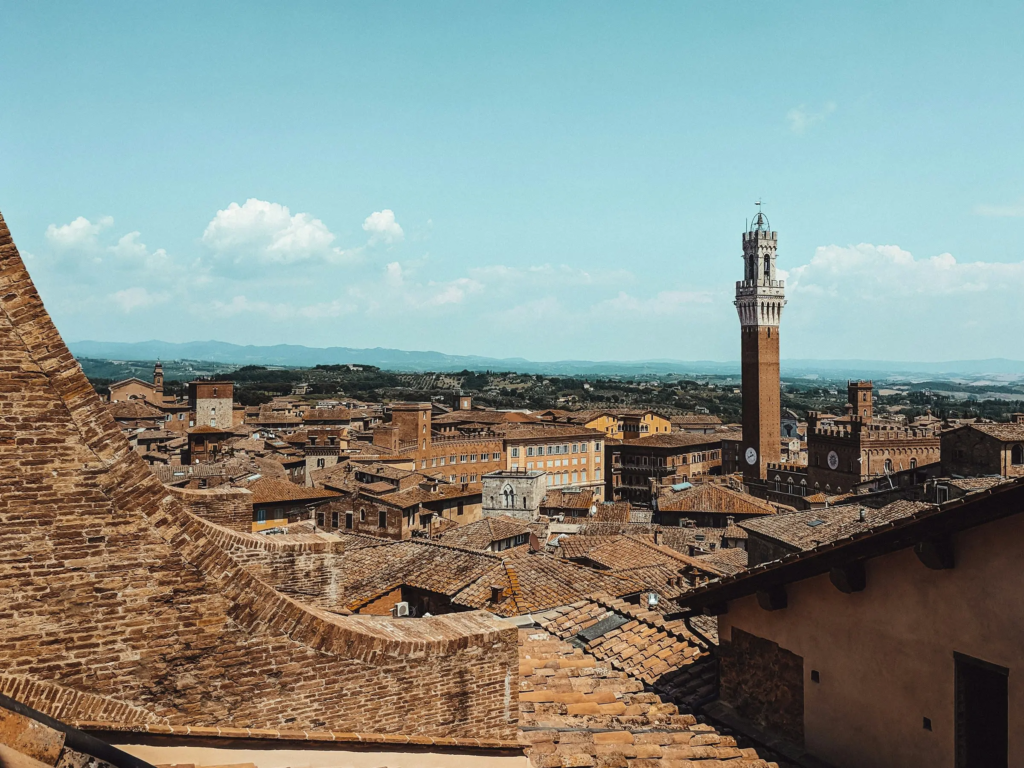
Known for its Gothic architecture and the famous Palio horse race, Siena offers a slower and more intimate atmosphere than Florence.
Chianti
The Chianti region is filled with vineyards, olive groves, stone farmhouses, and winding scenic roads perfect for wine tasting and countryside drives.
Val d’Orcia
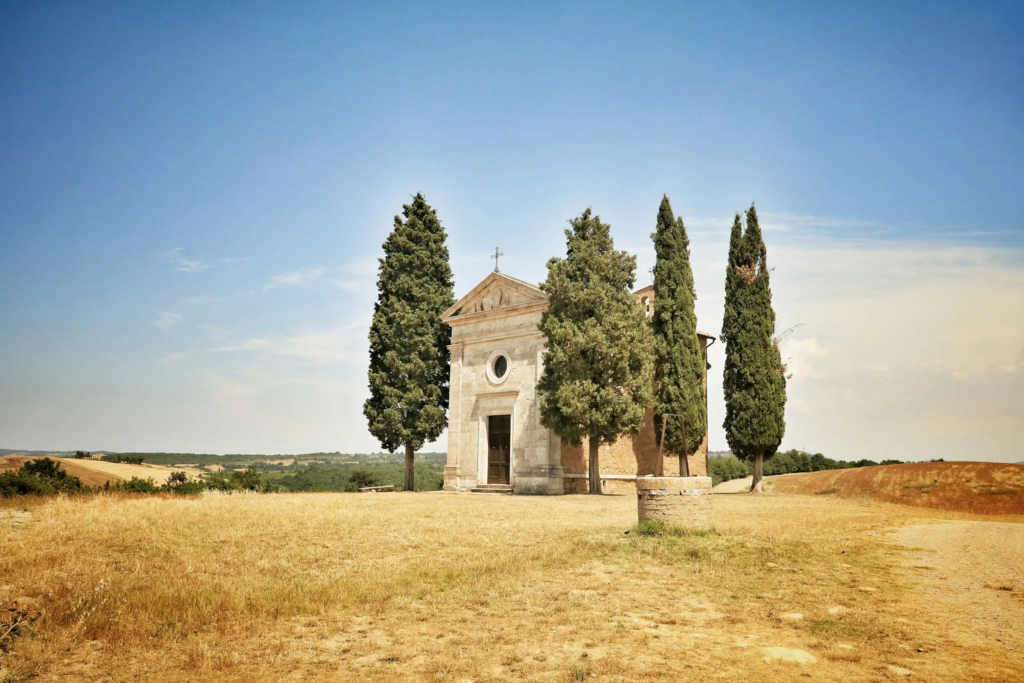
This UNESCO-listed landscape is Tuscany at its most iconic, with rolling hills, cypress trees, and picturesque villages like Pienza and Montalcino.
Lucca
Surrounded by Renaissance walls, Lucca is known for charming streets, relaxed cafés, and bicycle-friendly pathways.
Pisa
Although famous for the Leaning Tower, Pisa also offers historic churches, riverfront views, and quieter neighborhoods worth exploring.
Where to Stay in Tuscany
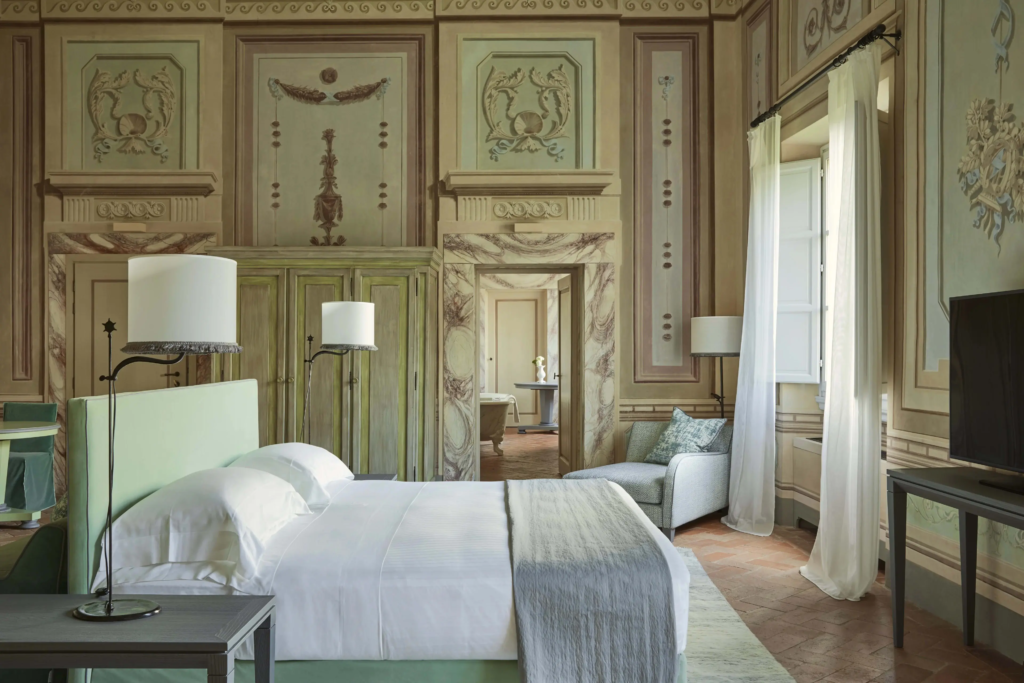
Tuscany offers everything from luxury countryside estates to boutique city hotels and restored farmhouses.
Best areas to stay
- Florence: Best for museums, architecture, and nightlife
- Chianti: Ideal for vineyard stays and wine experiences
- Val d’Orcia: Perfect for scenic countryside retreats
- Siena: Great for history and central access to Tuscany
Many travelers split their stay between Florence and the countryside for a balanced experience.
Things to Do in Tuscany
Tuscany is a destination built around food, wine, history, and landscape.
Explore Florence’s Renaissance Landmarks
Visit the Duomo, Ponte Vecchio, Uffizi Gallery, and Michelangelo’s David.
Go Wine Tasting in Chianti
Tuscany is one of Italy’s most famous wine regions. In addition, vineyard tours often include olive oil tastings and long countryside lunches.
Visit Medieval Hill Towns
Towns like San Gimignano, Montepulciano, and Pienza feel frozen in time with stone streets and panoramic views.
Drive Through Val d’Orcia
The scenic roads of Val d’Orcia are among the most beautiful in Italy.
Take a Tuscan Cooking Class
Learn how to make fresh pasta, tiramisu, and regional dishes using local ingredients.
Relax in Thermal Springs
Natural hot springs in Saturnia and Bagno Vignoni offer a peaceful wellness experience.
Explore Local Markets
Markets throughout Tuscany sell cheeses, cured meats, truffles, handmade pasta, and local wines.
Tuscany Food and Wine Culture
Food is central to everyday life in Tuscany, where meals are slow, seasonal, and deeply tied to local traditions.
Must-try dishes
- Bistecca alla Fiorentina
- Pappardelle al Cinghiale
- Ribollita
- Pici pasta
- Crostini Toscani
Famous wines
- Chianti Classico
- Brunello di Montalcino
- Vino Nobile di Montepulciano
- Vernaccia di San Gimignano
Meanwhile, olive oil tasting is just as important as wine tasting throughout the region.
Tuscany History and Culture
Tuscany has shaped art, architecture, literature, and philosophy for centuries. Florence became the birthplace of the Renaissance, influencing Europe through artists like Leonardo da Vinci, Michelangelo, and Botticelli.
Today, Tuscany still preserves much of its historic identity through medieval towns, agricultural traditions, and local craftsmanship. Festivals, markets, and family-run vineyards continue to define daily life throughout the countryside.
⸻
Day Trips in Tuscany
San Gimignano
Known for its medieval towers and panoramic countryside views.
Montepulciano
Famous for wine cellars, Renaissance architecture, and scenic hilltop streets.
Cinque Terre
Although technically outside Tuscany, these colorful coastal villages are reachable as a day trip from Florence.
Elba Island
A Mediterranean island known for beaches, hiking, and Napoleon’s historic residence.
⸻
Travel Tips for Tuscany
- Rent a car for countryside exploration
- Book vineyard visits in advance during harvest season
- Comfortable walking shoes are essential for hill towns
- Lunches are long and relaxed — embrace the slower pace
- Stay outside major cities for a quieter luxury experience
If Not Tuscany…
If you love Tuscany’s landscapes, wine culture, and historic villages, consider these destinations:
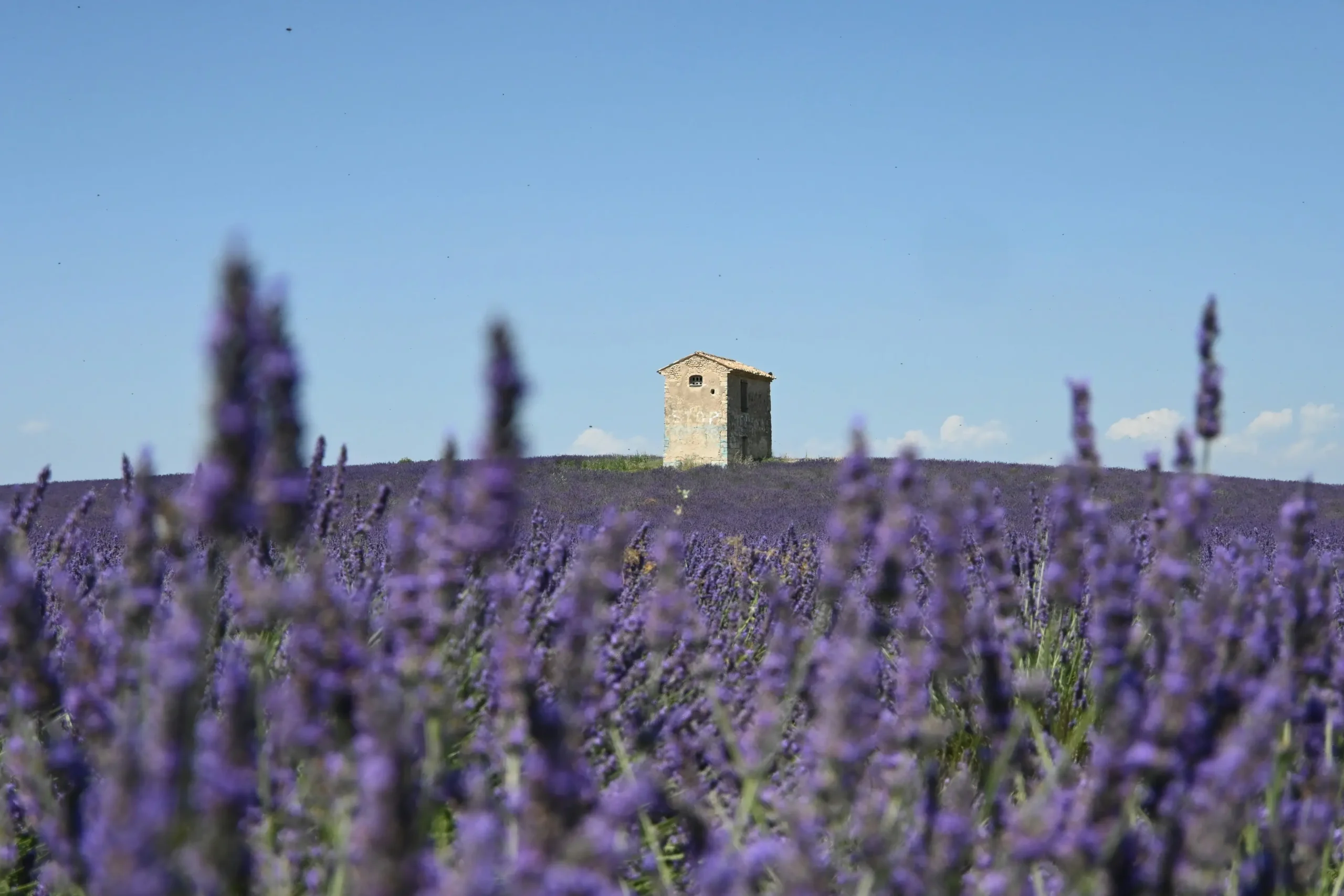
Provence, France, Lavender fields, vineyards, and charming villages create a similar countryside atmosphere.
Andalusia, Spain
Historic towns, olive groves, and Moorish architecture offer rich culture and scenery.
Umbria, Italy
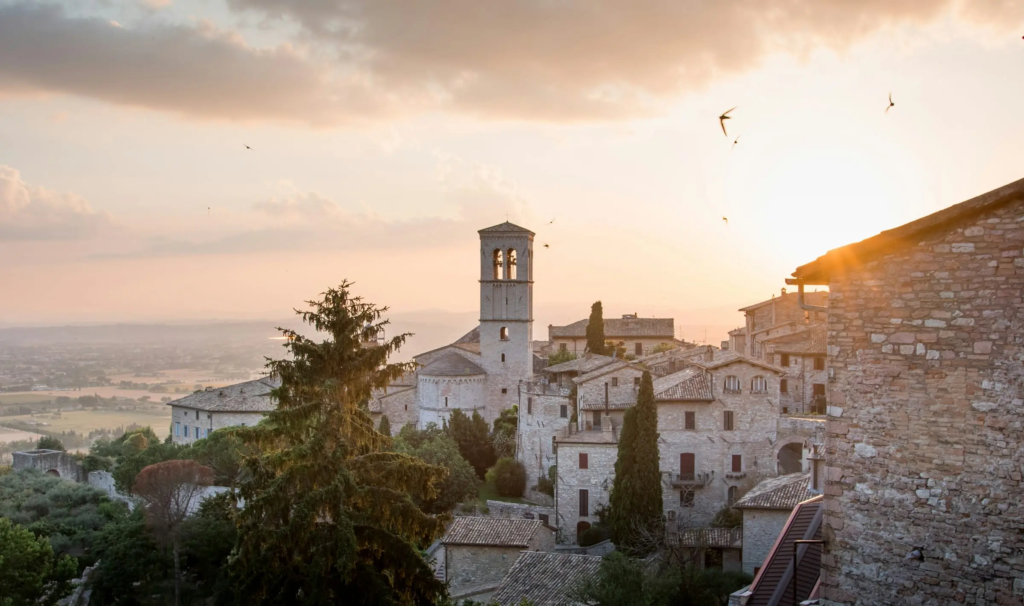
Often called Tuscany’s quieter neighbor, Umbria offers medieval towns and rolling hills with fewer crowds.
Douro Valley, Portugal
Terraced vineyards, river cruises, and exceptional wines define this scenic Portuguese region.
Conclusion: Why Visit Tuscany
Tuscany is a destination that invites travelers to slow down and savor every experience. Whether you’re wine tasting in Chianti, exploring Renaissance masterpieces in Florence, or watching the sunset over rolling hills, the region delivers beauty, culture, and unforgettable moments at every turn.
This Tuscany travel guide gives you everything you need to plan a seamless and rewarding Italian escape.
Plan Your Tuscany Trip
Planning your trip to Tuscany? Let travel experts help you design a personalized itinerary with luxury stays, exclusive wine experiences, and insider recommendations for an unforgettable journey.